What is Shinto?
神道とは何か
Shinto (神道) is Japan's oldest spiritual tradition — not quite a "religion" in the Western sense, but a way of living in harmony with the natural world and with the countless invisible forces that dwell within it.
At its heart, Shinto teaches that kami (神) — divine spirits or sacred powers — inhabit all things: mountains, rivers, ancient trees, rocks, and even the wind. These are not distant gods who rule from above, but presences woven into the fabric of everyday life.
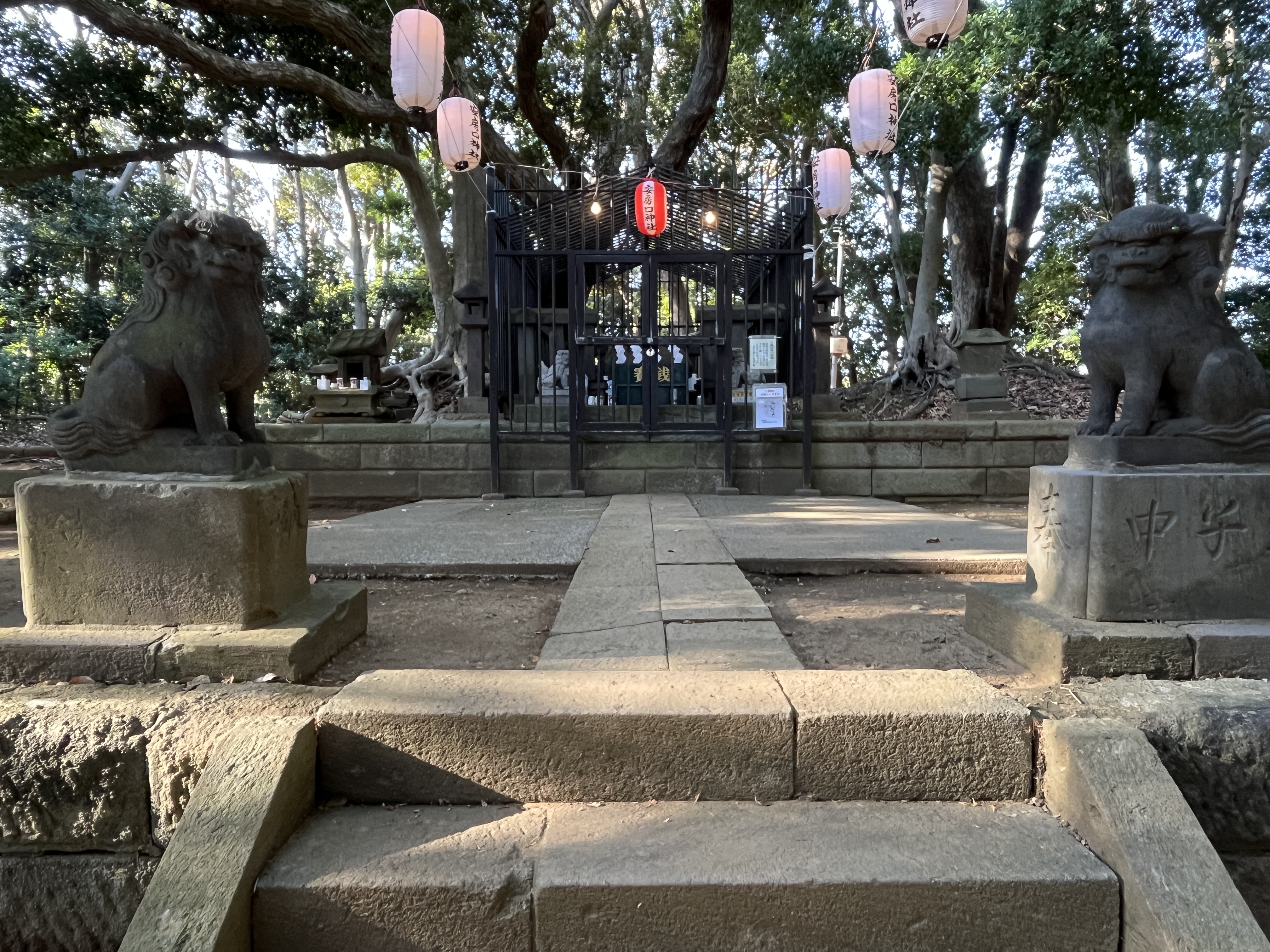
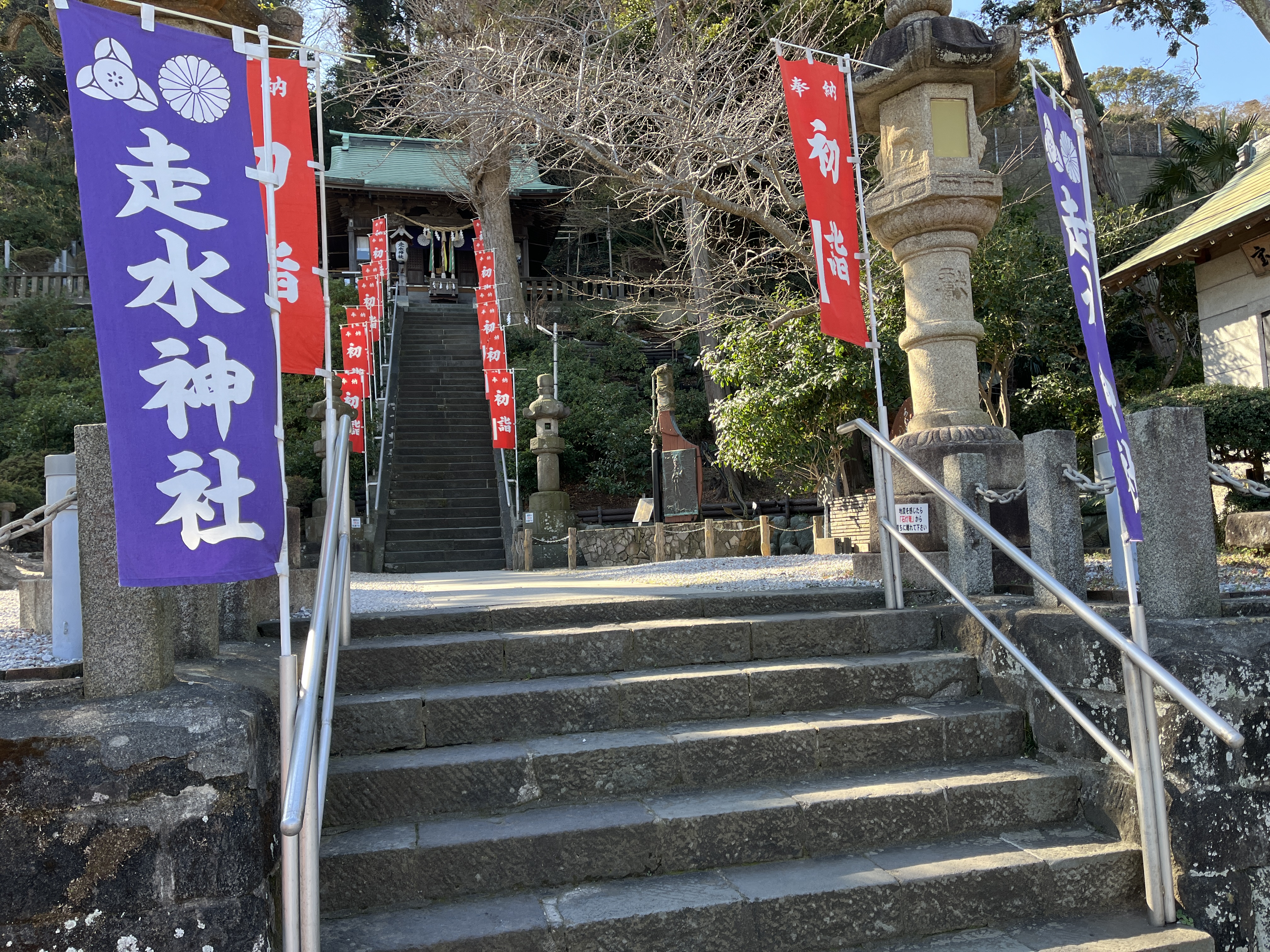
A Shinto shrine (jinja, 神社) is the dwelling place of a particular kami. Visiting a shrine is an act of gratitude and connection — a quiet moment to pause, to bow, and to feel part of something older than memory.
Key Concept
The word kami is often translated as "god" or "spirit," but neither quite captures it. Kami can be found in extraordinary phenomena — a waterfall, a storm, an ancient forest — as well as in the quiet dignity of ordinary things done with care and sincerity.
Shinto & Buddhism — Living Together
神道と仏教の共存
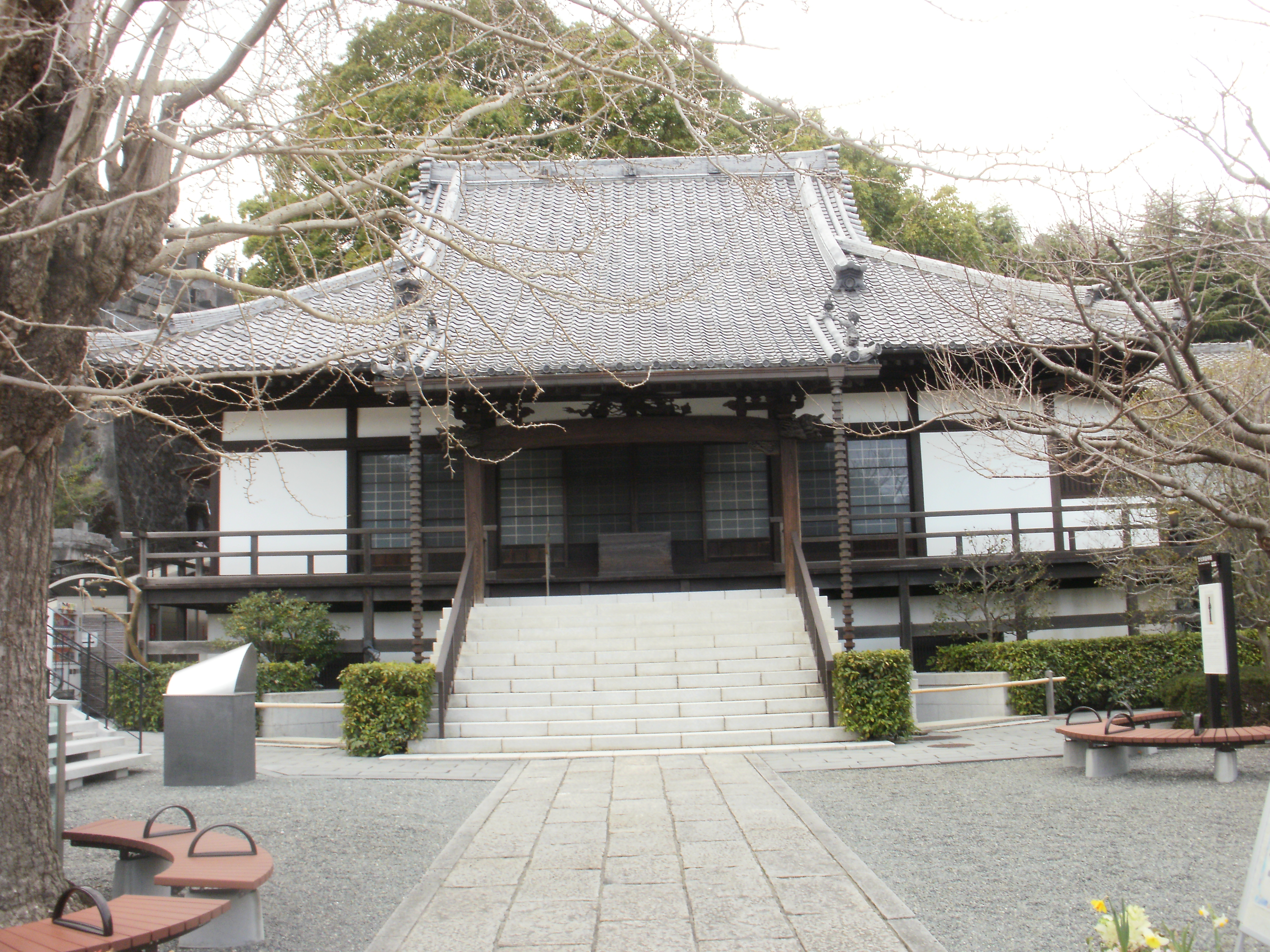
Japan is one of the few places in the world where two major spiritual traditions — Shinto and Buddhism — have peacefully coexisted for over a thousand years. Most Japanese people today feel a natural connection to both, visiting shrines for new year's celebrations and Buddhist temples for funerals, often without thinking of the two as separate "religions."
Buddhism arrived in Japan from the Asian continent around the 6th century, and rather than replacing Shinto, the two traditions gradually blended together in a phenomenon known as shinbutsu-shūgō (神仏習合) — the merging of gods and Buddhas.
| Aspect | ⛩️ Shinto Shrine (神社) | 🛕 Buddhist Temple (お寺) |
|---|---|---|
| Japanese name | Jinja / 神社 | Otera / お寺 |
| Sacred being | Kami — nature spirits | Buddha & Bodhisattvas |
| Gateway | Torii gate (鳥居) | Sanmon gate (山門) |
| How to pray | Bow twice, clap twice, bow once | Bow with hands pressed together |
| Common occasions | New Year, weddings, harvests | Funerals, memorial services |
| Origin | Indigenous to Japan | Arrived from India via China, 6th century |
Shrines & Temples in Yokosuka & Uraga
横須賀・浦賀の神社仏閣
Yokosuka and the Uraga area are home to many shrines and temples that have watched over this coastal community for centuries. Here are some of the places worth visiting when you explore the area.