Thunderbird network works
1;
Alejandro Molina's family has a huge
coffee plantation in Guatemala. I am very interested in Guatemala
coffee, so I went there with Miko! Alejandro called his father and
asked organize some tour for us.
03/16/2003: Arrived at Guatemala and
Spanish worked well?
We have never heard the airplane company named TACA group. It is El Salvador-based group-company and it has operations in Central America. Alejandroユs brother (younger brother) Mikie picked us up at the Airport and kindly helped us looking for a hotel. After seeing several hotels, we decided to stay the Best Western Hotel, Stofella. It was nice and comfortable hotel and it cost $75- including breakfast. We wanted to stay three days in the same hotel, but there was no vacant on the day after tomorrow.
Thunderbird network works 2; Fortunately his father knows the owner of the hotel, so he asked this person to let us stay one more night. That was fantastic!
Somehow I felt that I want to eat pasta. We walked to an Italian restaurant just across the street and had a pasta and salad. Miko studied Spanish for four weeks and she can deal with general conversation. It was very helpful, because most people working at restaurants are poor at English. It was the same as Italy. I am very glad to come here with Miko.
From tomorrow we are going to start
coffee mill tour.
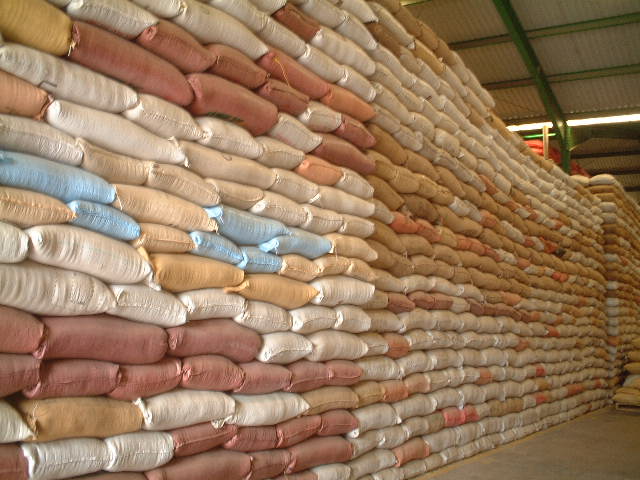
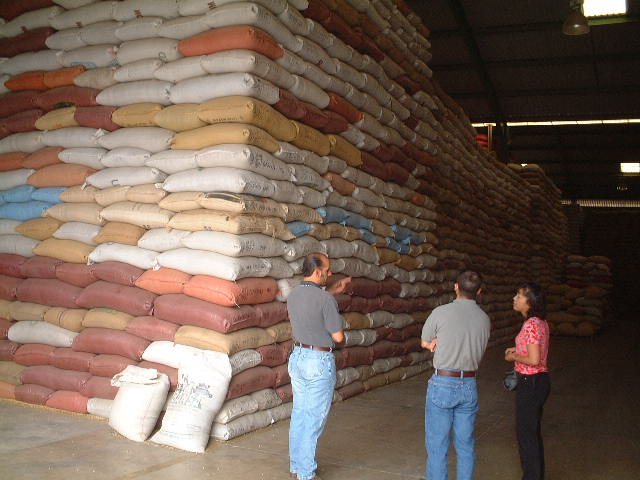
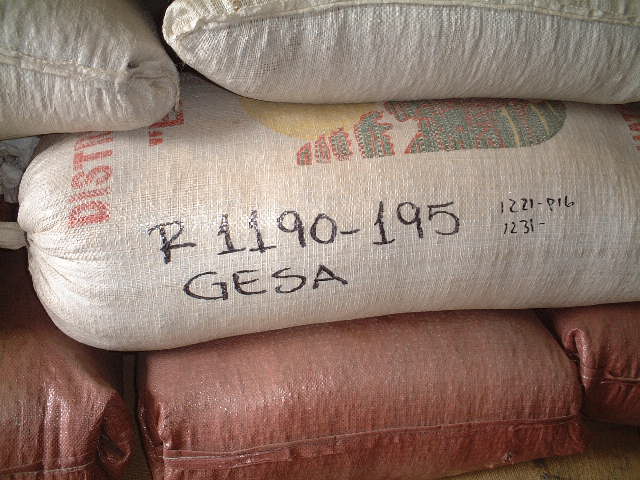
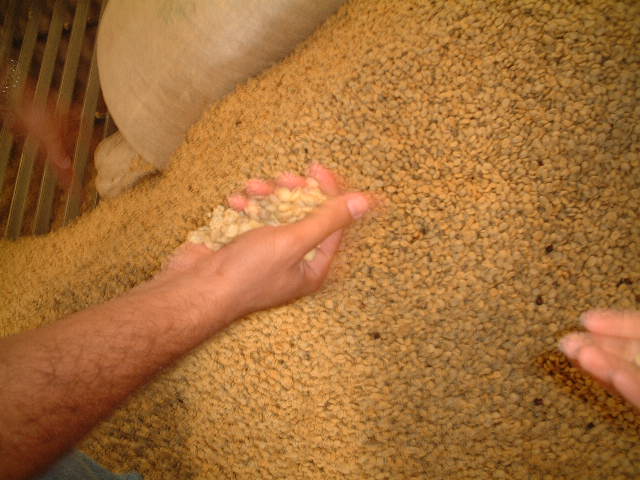
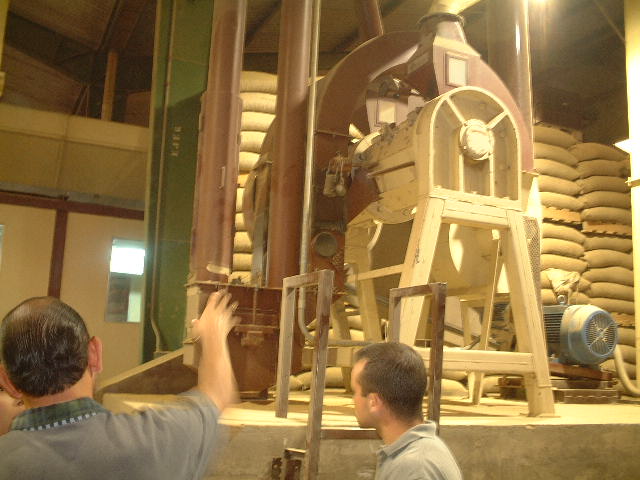
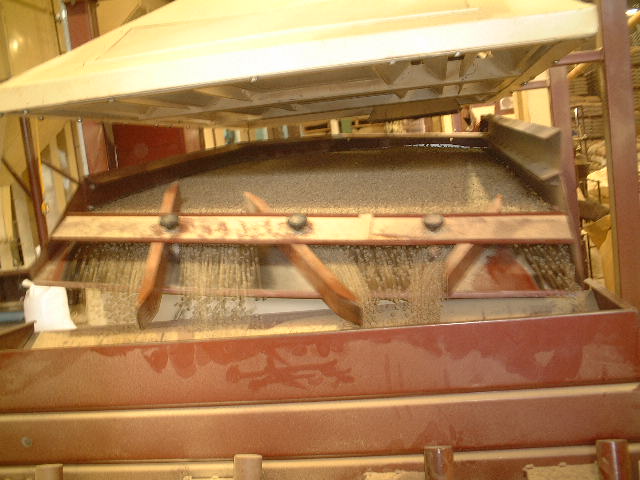
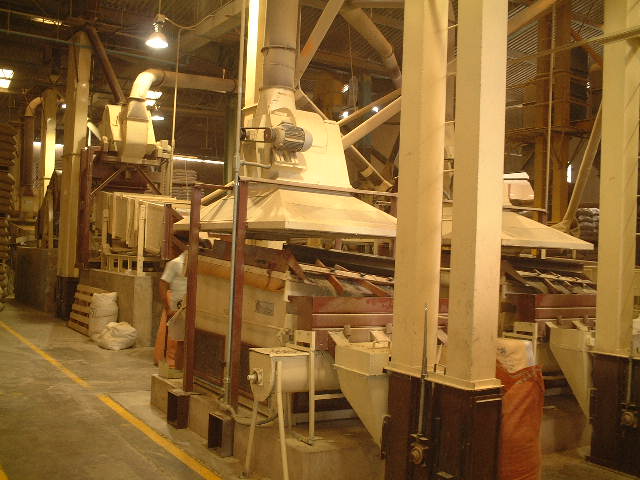
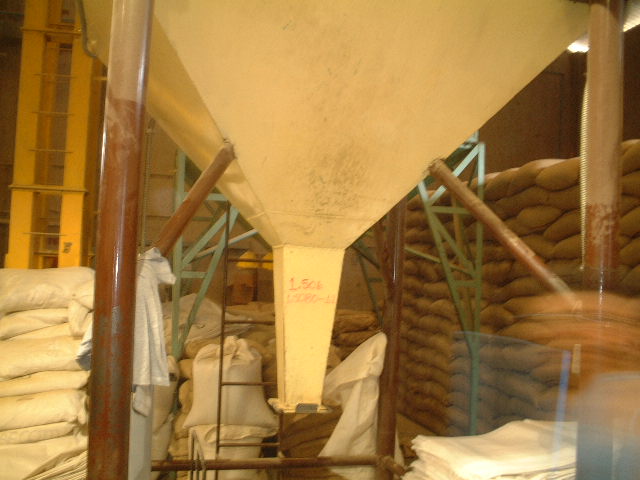
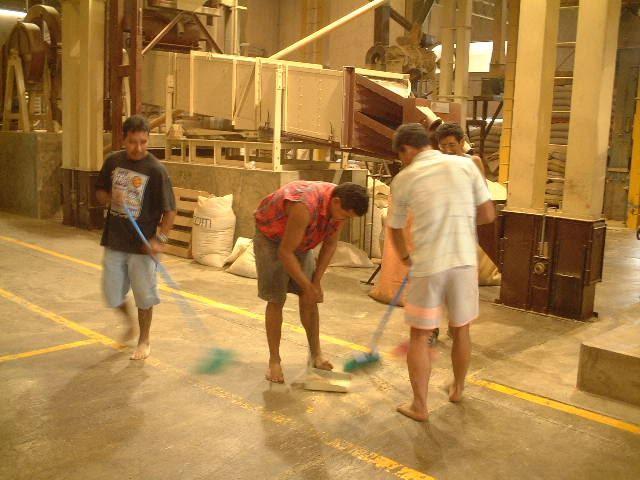
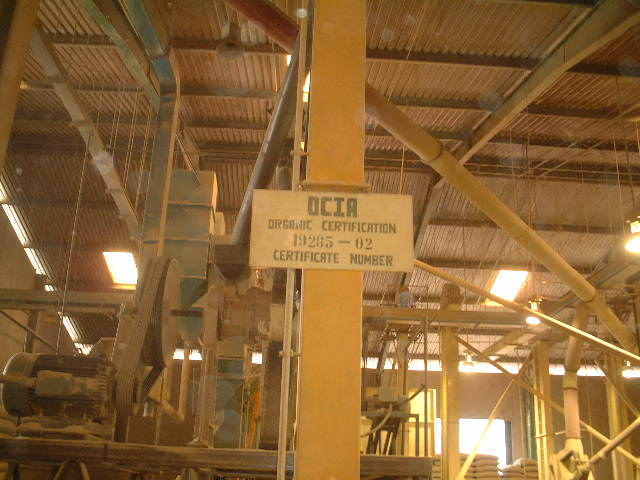
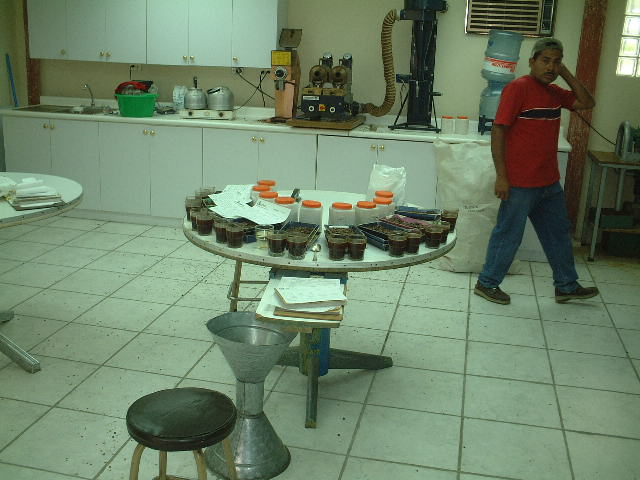
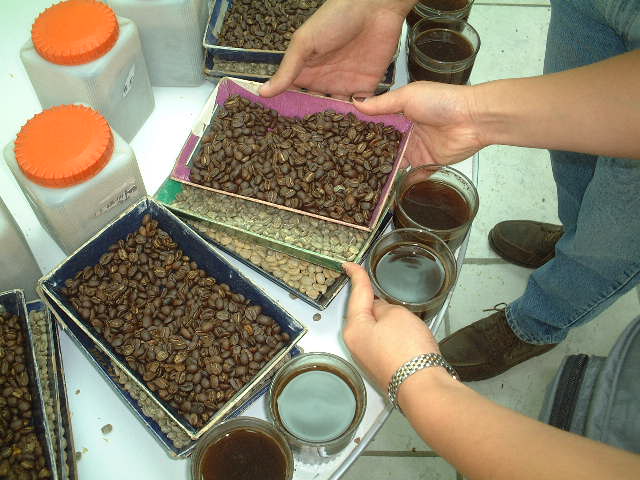
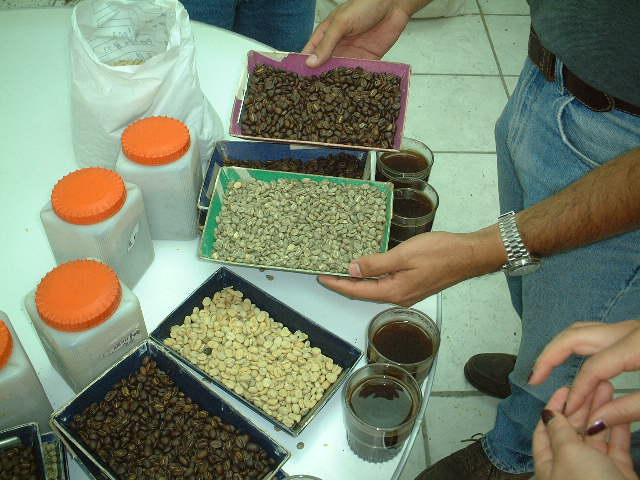
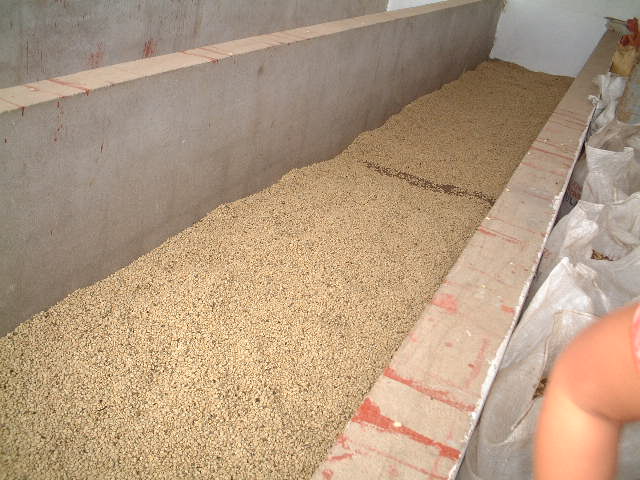
In the morning Mikie took us to one mill which produces end products such as green coffee. The mill was called dry mill and deal with ending part. This mill is a part of Molina's family business. Actually many companies invest and share this mill.
First of all, I have to explain the rough process of coffee beans production. <Wet Mill:1-4, Dry Mill4-7>
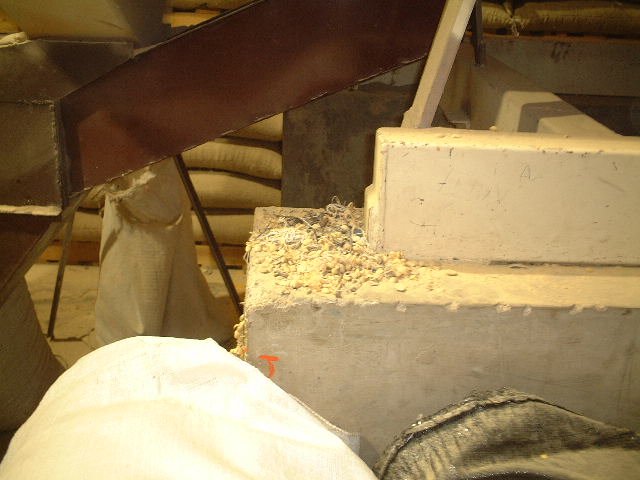
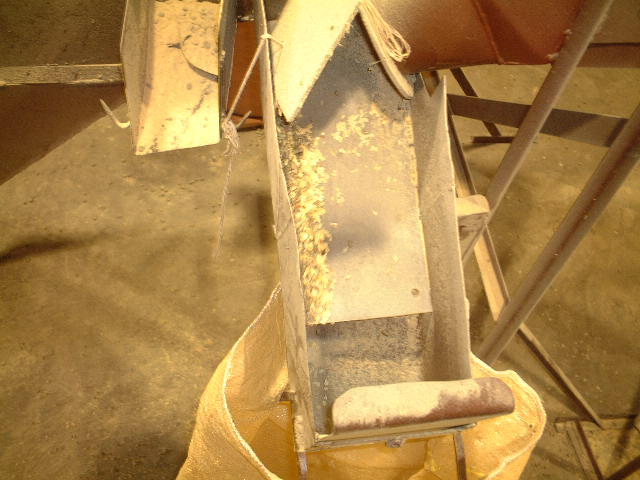
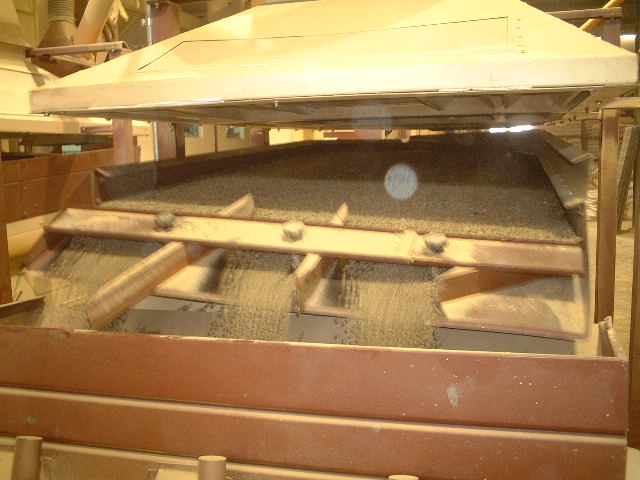
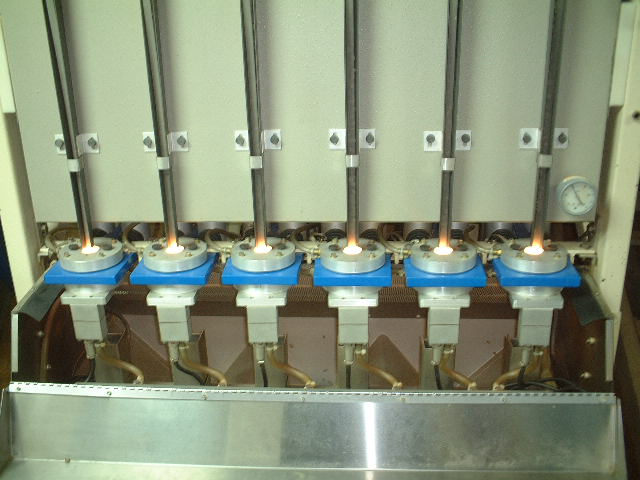
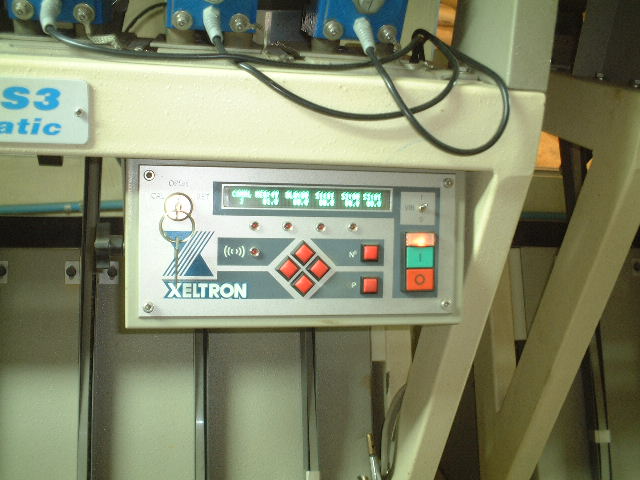
It was a huge warehouse and deals with many many coffee beans by using a lot of high-tech machines.
 Guate57.JPG
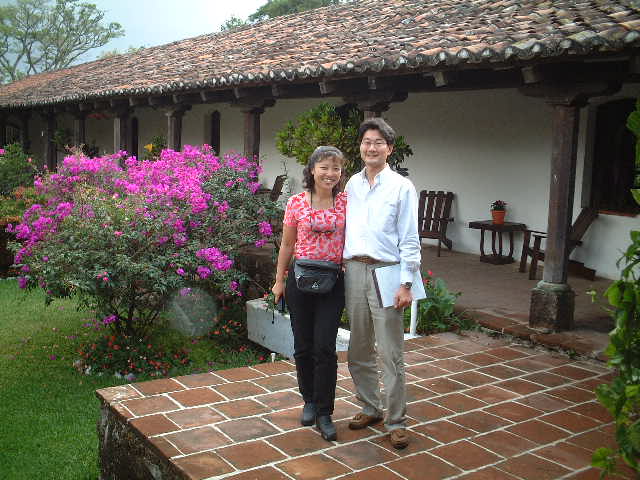
An elder brother, Rodrigo invited us for a lunch at his place. Her wife, Cormen cooked Guatemalan cuisine for us. They live in a huge traditional house in the coffee farm. It was beautiful place.
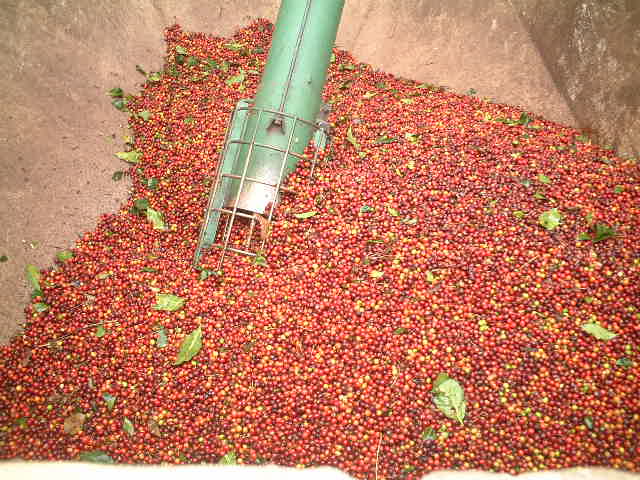
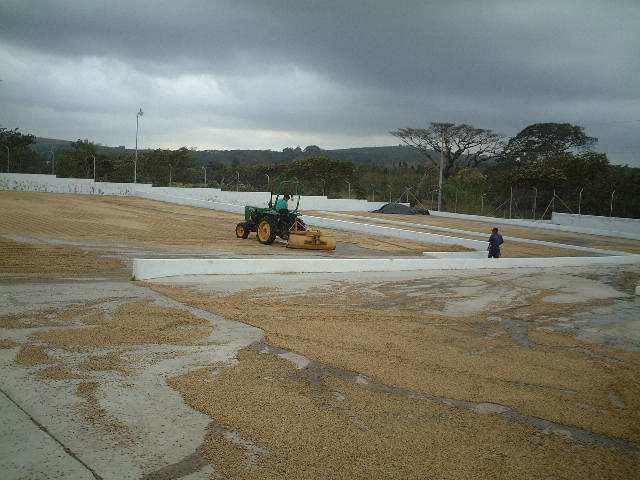
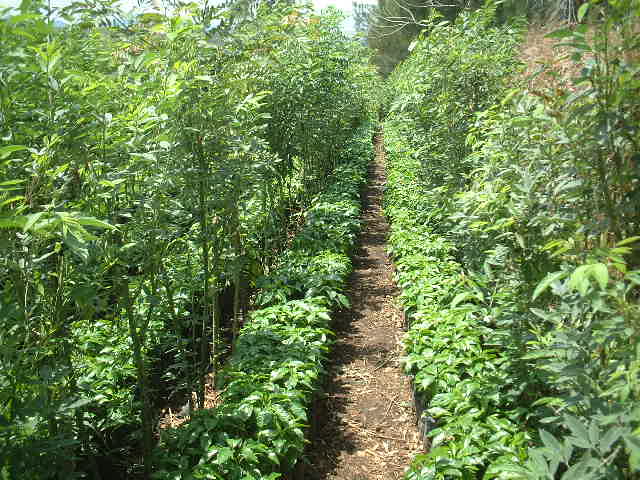
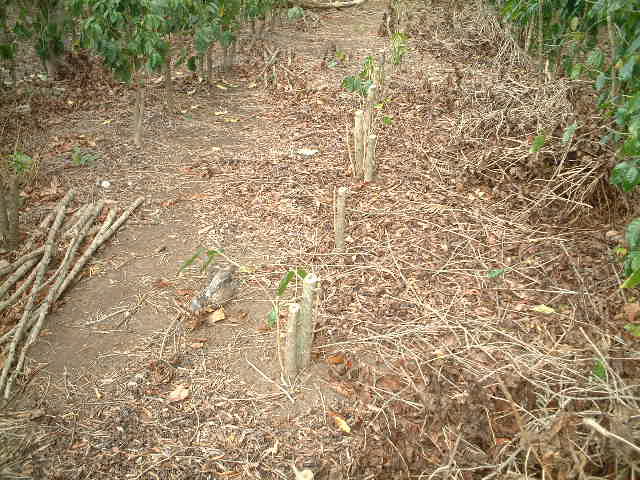
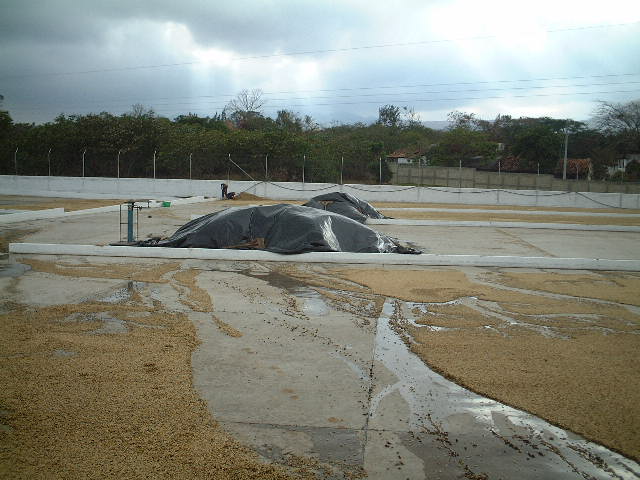
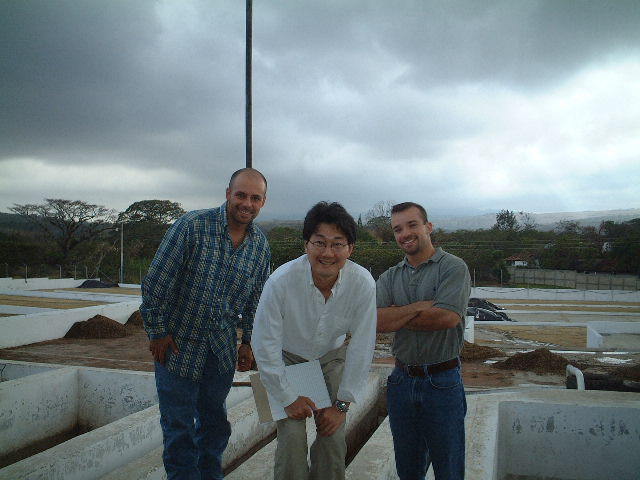
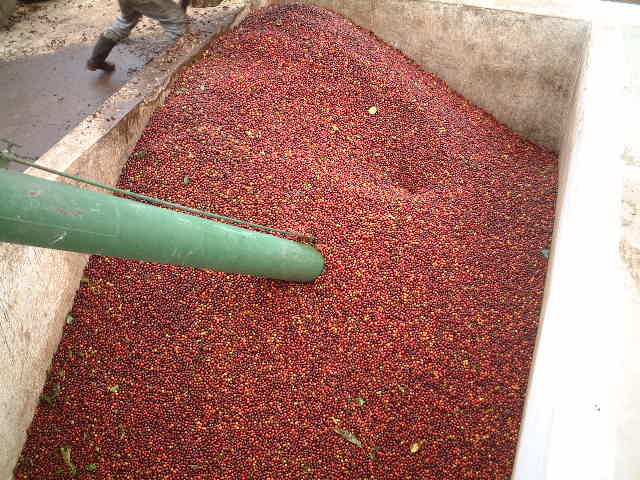
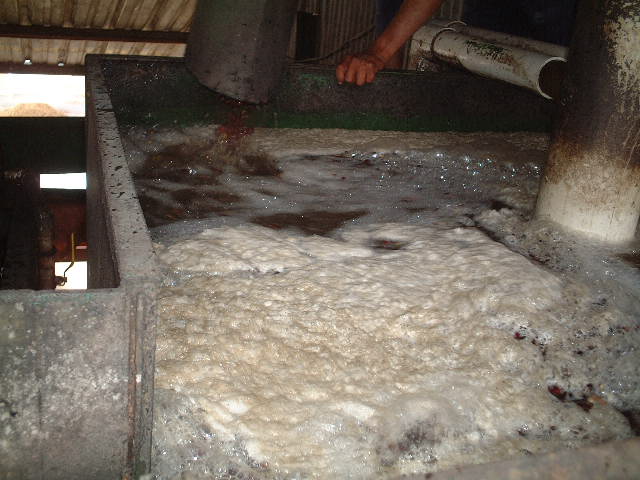
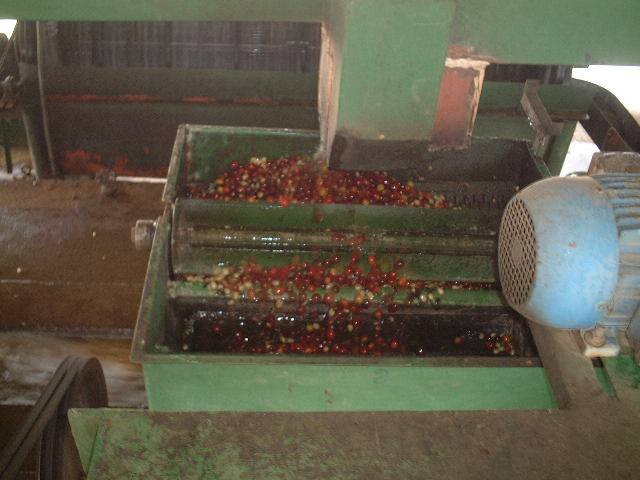
Next we visited Wet Mill. An oldest brother Rodrigo is in charge of this mill. This is more like first process of coffee production, picking up berries, taking away skins, drying them and bringing them to a dry mill. At first he showed us baby trees, Caturra and Borbon. They were planted in different place. These trees will be moved to the field in one year. After this, as a planting purpose, these branches are cut (trimmed) in different way in certain years. For example, this year, trees in this row are trimmed well (almost naked), trees in another row are trimmed roughly and another row is left without touching anything. In bigger way, trees are trimmed in each BLOCK. For example, this year, trees in this BLOCK are trimmed well (almost naked), trees in another block are trimmed roughly and ones in another block are left without touching anything. There is no rule.
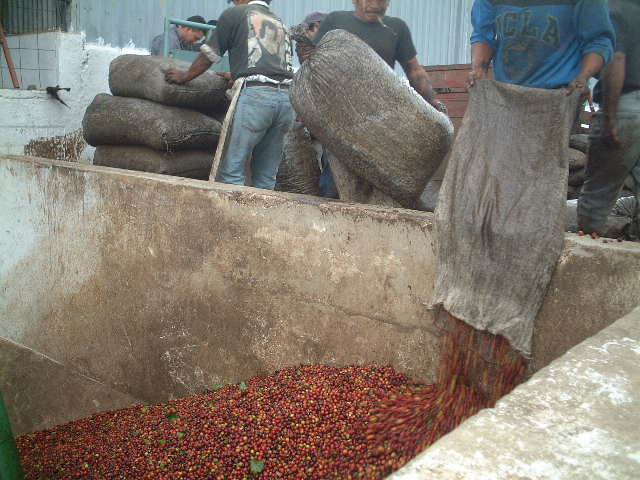
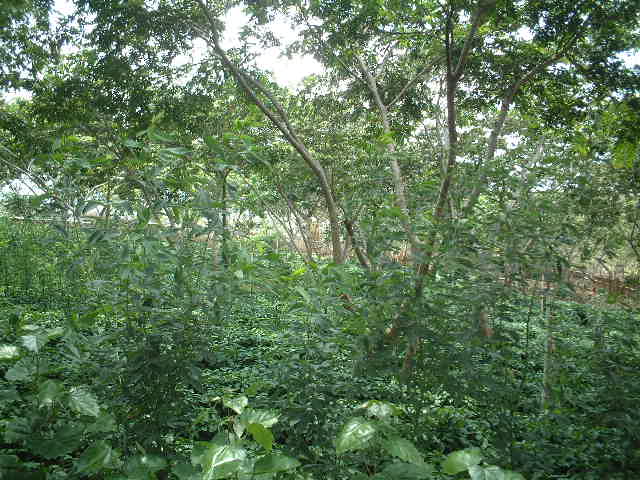
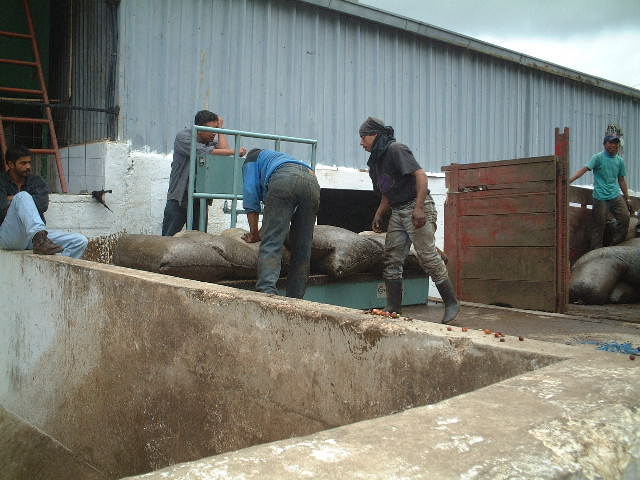
Coffee trees are all small, less than one meter. To make shade, big trees were planted in regularly. We saw workers brought berries in a big baggage to the mill process. It is extremely hard work. In general there are about 30 workers, but in harvesting seasons (right now, January -March) there are 200 people are working. They work away from home during this period (Dekasegi in Japanese)
 Guate80.JPG
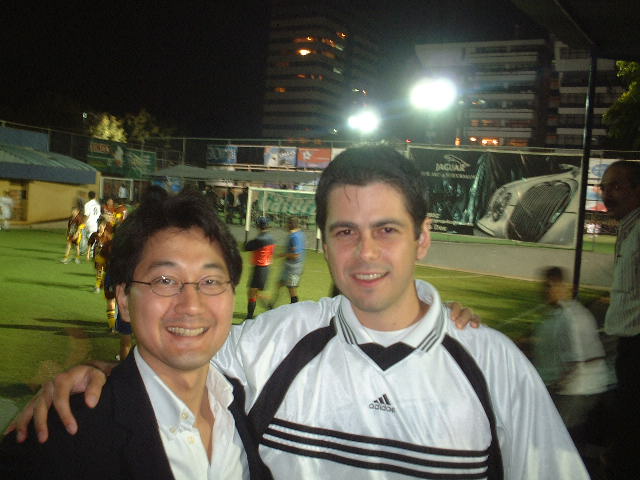
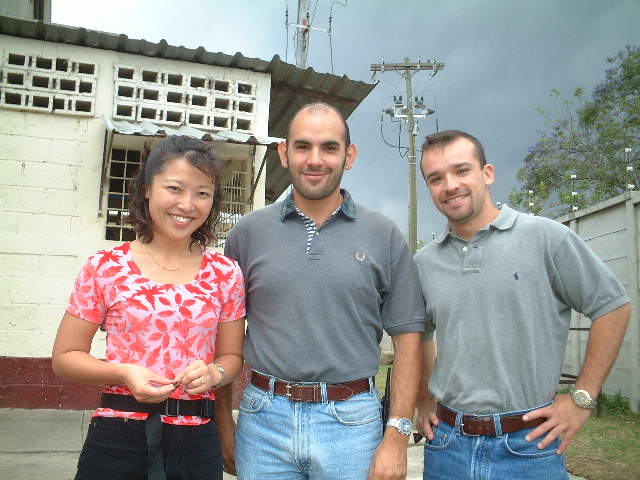
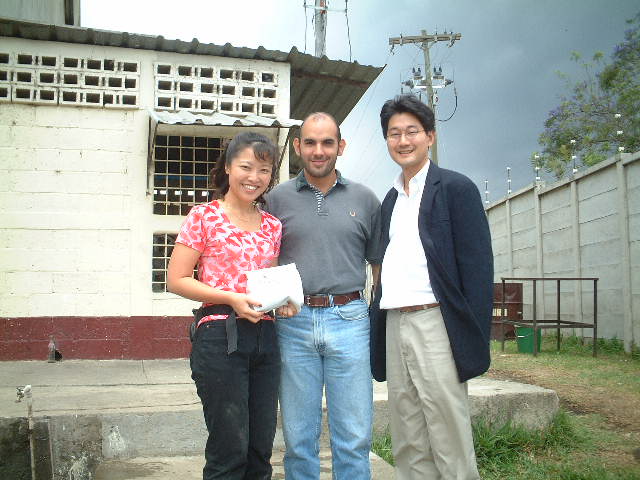
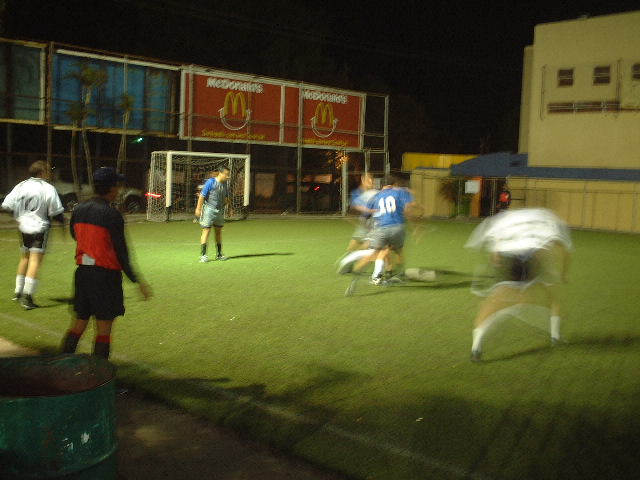
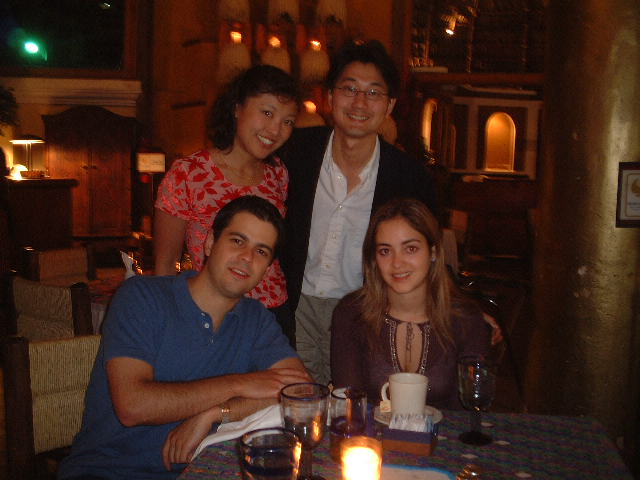
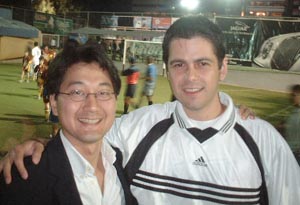
In the evening we met Javier, one of 2001 summer wonderful classmates. We have not met for one year. It was great to see him in Guatemala. He is working for a bank and he enjoys playing football. It was 5 vs. 5 small football, poppy succor. We spent three hours at the Guatemalan restaurant.
|
@Dry Mill Loaded beansGuate10.JPG Guate11.JPG Guate12.JPG Guate13.JPG BeansGuate15.JPG Take away Impurities Guate18.JPG Guate19.JPG Guate20.JPG Dididesize Guate24.JPG Guate25.JPG Guate35.JPG Packed Guate28.JPG Divide color Guate30.JPG Guate31.JPG Workers Guate33.JPG Organic Certificate Guate37.JPG Cupping Guate38.JPG Guate39.JPG Guate40.JPG Mr. Javier Guate41.JPG Guate42.JPG Guate44.JPG Baby treesGuate47.JPG Guate48.JPG Trim Guate51.JPG National flowerGuate56.JPG Go&MikoGuate58.JPG Dry Guate59.JPG Guate60.JPG Guate61.JPG Mikie & RodrigoGuate62.JPG BerriesGuate63.JPG Guate68.JPG Workers2Guate64.JPG Guate67.JPG MachinesGuate69.JPG Guate70.JPG Guate72.JPG Guate73.JPG Guate74.JPG Javier PerezGuate81.JPG Guate82.JPG GatheringGuate83.JPG |